
In a significant political shift in Serbia, the student-backed opposition movement has claimed victory in the snap election held on October 25, posing a serious challenge to the long-standing dominance of Serbian leader Aleksandar Vucic. The election saw a close contest between Vucic’s Serbian Progressive Party and the opposition Student List, which gained momentum following months of public protests and growing public dissatisfaction with the government.
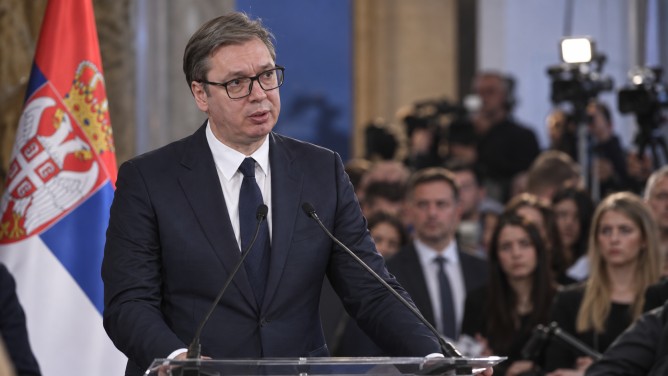
Vucic, who had recently stepped down from the presidency in a bid to potentially return as prime minister, acknowledged the setback while addressing supporters in Belgrade. He suggested that foreign assistance played a role in the opposition’s success, though he did not provide evidence for this claim. According to Vucic, the Student List received about two million votes in a nation with a population of approximately 6.5 million.
The election outcome reflects a significant level of public engagement, with voter turnout reportedly reaching nearly 69%. This result highlights the rising influence of the student-led opposition, which emerged from a protest movement after a tragic incident in Novi Sad in November 2024. The collapse of a canopy at a railway station there resulted in 16 deaths and triggered widespread demonstrations demanding accountability and political reforms.
The Student List’s victory marks a pivotal moment in Serbia’s political landscape. Representatives of the student movement welcomed the election results as an opportunity for change and urged their supporters to maintain peace. Despite the victory, the future leadership of Serbia and the steps in the political transition remain uncertain as the country navigates this new political terrain.
Vucic’s attempt to emulate a political strategy similar to Russian President Vladimir Putin’s maneuver in 2008, which involved moving from the presidency to the premiership and later returning to the top office, appears to have been thwarted by the opposition’s electoral success. The outcome signals a potential shift in Serbia’s political dynamics, ushering in a period of transition and possible reform.