
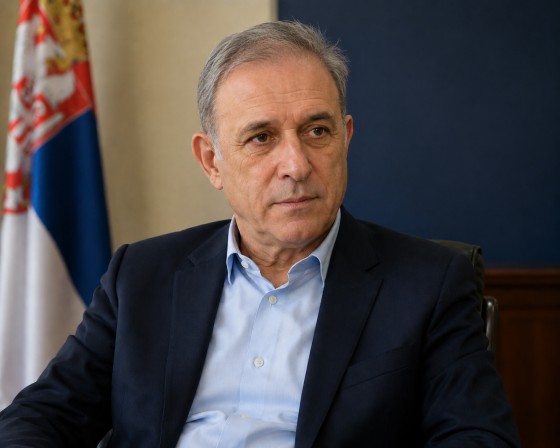
Serbian opposition figure Zdravko Ponoš recently faced police questioning following his allegations that authorities deployed a sonic weapon against demonstrators at a March 15, 2025, protest in Belgrade. The inquiry falls under an ongoing investigation to assess whether Ponoš’ social media remarks about the use of a “sound cannon” could be considered a criminal act of inciting panic and disorder.
Ponoš initially made the accusation on social media, claiming the government had employed a sonic device to disperse peaceful protesters who were participating in a silent vigil. This vigil was held in remembrance of those who perished in the Novi Sad railway station canopy collapse. The protest in March 2025 was notably one of the largest in Serbia’s history, with hundreds of thousands demanding accountability for the tragic railway station collapse. Attendees reported a sudden stampede during the rally, attributing it to hearing an unusual loud sound that caused widespread panic.
The Serbian authorities have since launched an investigation into these events, exploring whether the alleged use of a sound cannon was genuine or potentially misrepresented. As part of this probe, officials have been interviewing protest organizers, participants, and public figures who have commented on the incident. Ponoš later voiced concerns that details of his police interview were leaked to a media outlet known for its pro-government stance shortly after he was questioned.
In response to these developments, a group of Serbian civil society organizations has appealed to the United Nations, urging them to initiate an independent investigation to uncover the truth about the alleged use of a sonic device. These organizations contend that the domestic investigation has been tainted by political bias, thus necessitating an impartial fact-finding mission to ensure transparency and accountability.