
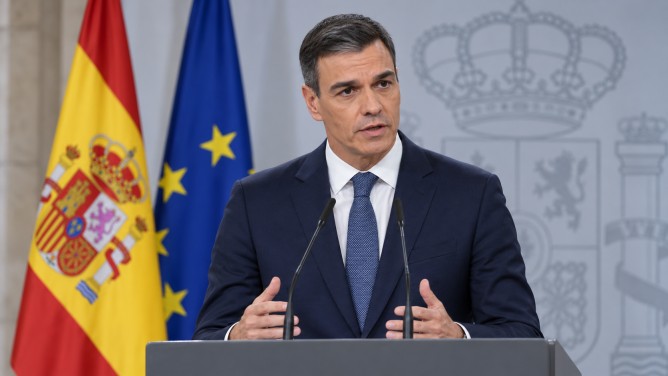
Spain is set to hold a snap general election on November 29, following the dissolution of its parliament after Prime Minister Pedro Sánchez’s government failed to pass two crucial housing measures. These proposals aimed to provide protections for vulnerable tenants and revise rental housing policies but were rejected by opposition parties and Junts, a Catalan party.
The upcoming election will determine the composition of Spain’s next government, though forming a stable administration may be challenging if no single party secures a majority. The official election campaign will commence on November 13, leading up to the vote, with November 28 designated as a day of reflection for voters.
The defeat of the housing measures underscores the difficulties Sánchez’s government has faced in a fragmented parliament, making it hard to maintain support. Key issues dominating the campaign include housing, taxation, immigration, energy prices, healthcare, pensions, and the cost of living. Additionally, political controversies surrounding Sánchez’s agreements with regional parties, such as Junts, which supported his prime ministerial return in 2023, add to the election’s complexity.
Sánchez’s administration has also been under scrutiny for its handling of several significant issues, including the COVID-19 lockdown, a nationwide power blackout anticipated in 2025, and corruption investigations involving individuals linked to the governing PSOE party.
This election will be crucial in deciding whether Sánchez remains in power or if a new political coalition emerges to lead Spain. Voters will weigh the current government’s performance against the promises of its challengers as they head to the polls at the end of November.