
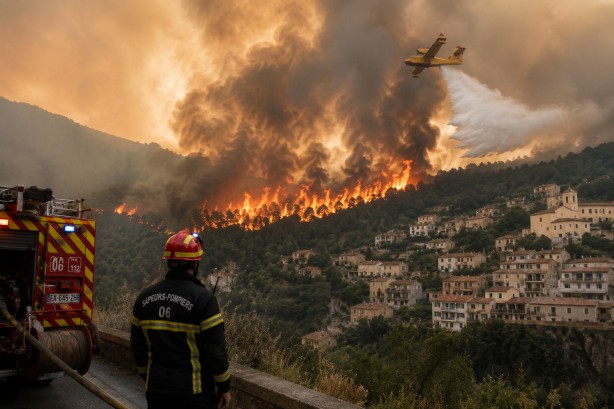
As wildfires continue their relentless spread across Europe, countries such as Greece, France, Spain, and the United Kingdom are grappling with the devastating effects. In Greece, authorities are engaged in a fierce battle against intense fires on the island of Crete, while parts of England are experiencing drought conditions amidst an unyielding heatwave. These events have necessitated evacuations and heightened concern over the security risks posed by climate change.
Officials across Europe have issued warnings about the increasing intensity of wildfires, which they attribute to climate change. These fires not only pose immediate threats to public safety but also jeopardize food security and critical infrastructure. In response, nations including the UK and France have committed to enhancing their cooperation to improve wildfire prevention, emergency response strategies, and overall climate resilience.
Amid these challenges, the ongoing heatwaves have had a deadly impact, contributing to thousands of heat-related fatalities throughout Europe this year. This alarming situation underscores the pressing need for stronger climate adaptation measures to mitigate the effects of extreme weather conditions.
European countries are finding themselves compelled to reconsider their strategies in the face of these growing environmental threats. The collaboration between nations is seen as a critical step towards effectively managing the risks associated with wildfires and the broader implications of climate change.
The situation serves as a stark reminder of the urgency with which the international community must act to address climate change and its far-reaching consequences. As wildfires continue to challenge the resilience of European nations, the emphasis on proactive measures and international cooperation becomes increasingly vital.