
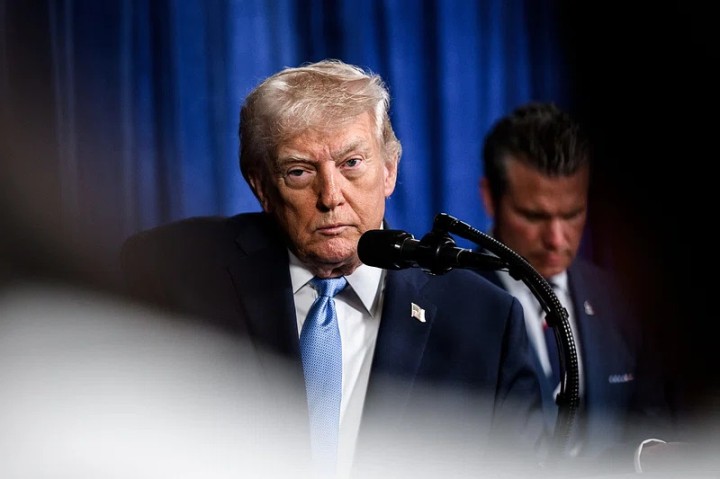
The proposed peace agreement between the United States and Iran is still moving forward, according to US President Donald Trump, despite recent tensions in Lebanon that momentarily threatened the negotiations. This development comes in the wake of an Israeli airstrike on the southern suburbs of Beirut, an event that occurred just before the anticipated finalization of the agreement aimed at resolving longstanding conflicts in the region. The attack drew strong reactions from Iranian officials and raised alarm over potential impacts on the peace efforts.
President Trump expressed his frustration with Israeli Prime Minister Benjamin Netanyahu, indicating that the military strike delayed the signing of the peace accord. He noted that the timing of the attack complicated diplomatic initiatives at a crucial stage and posed a risk to the progress made towards a broader regional resolution. In response, Iran issued warnings that both the United States and Israel would bear responsibility for any further escalation in the region, with senior officials in Tehran asserting that they were ready to retaliate if tensions continued to mount.
Despite these challenges, Trump remains confident that the agreement will proceed, emphasizing its potential to bolster regional security by addressing issues related to Iran’s nuclear program. The expected framework of the agreement includes provisions for nuclear oversight, inspections, and broader security arrangements designed to ensure stability. Additionally, the peace initiative aims to facilitate the reopening of the Strait of Hormuz, a crucial maritime route for global shipping and energy supply, with markets closely tracking these developments as a successful deal could stabilize oil prices and reduce geopolitical risks.
As both parties signal progress, uncertainty persists regarding the agreement’s final details and the timeline for implementation. Diplomatic discussions continue as negotiators seek formal approval and aim to prevent a resurgence of violence that could disrupt the process. The agreement is seen as a potentially pivotal move towards easing tensions in the Middle East, though experts caution that its success will hinge on effective implementation and sustained dialogue among regional stakeholders.