
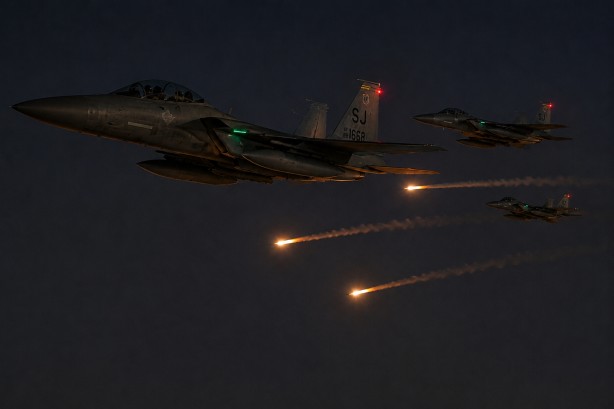
Escalating tensions in the Middle East have led to joint military operations by the United States and Saudi Arabia, targeting Iran-backed militia positions in Iraq. This comes in response to recent regional attacks that have stirred unrest. The US military reported that Iranian ballistic missiles aimed at American forces were intercepted, averting damage to a US base located in Jordan. Consequently, Washington has issued a stern warning of further military action should there be additional assaults on US personnel or Saudi energy facilities.
The coordinated strikes were focused on locations associated with Iraq’s Popular Mobilisation Forces (PMF), resulting in the deaths of at least 20 militia members and leaving several others injured, as confirmed by officials. This military action highlights the fragile situation in the region and the potential for further conflict.
In a related development, Iran’s Revolutionary Guards announced the interception of three oil tankers in the strategic Strait of Hormuz, accusing them of breaching Iranian regulations. This incident has heightened concerns about the security of global energy supplies, contributing to a rise in Brent crude oil prices.
The recent hostilities mark an end to a brief period of reduced conflict and have exacerbated fears regarding the stability of the region. In response, Iraq has initiated an investigation into recent drone attacks, although Iranian-backed armed groups have denied any involvement. These events underscore the growing security challenges in the Gulf and the vulnerabilities of vital international shipping routes.