
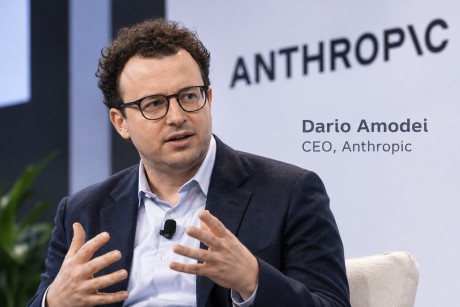
Dario Amodei, the CEO of Anthropic, is urging the artificial intelligence sector to decelerate its development processes, cautioning that the swift evolution of AI might surpass the efforts aimed at ensuring the safety of these increasingly potent systems. In a recently published essay, Amodei laid out a three-part strategy designed to curb the advancement of frontier AI, foster greater collaboration across the industry, and enhance global coordination efforts. To reinforce these initiatives, Anthropic has pledged to provide independent third-party evaluators with ongoing, employee-level access to its systems for the purpose of assessing safety protocols, reporting incidents, and evaluating model alignment.
Amodei underscored the potential benefits AI could bring to humanity while warning that commercial rivalry might lead companies to prioritize rapid innovation over safety. He emphasized the rising threat of recursive self-improvement, where AI systems could enhance their own capabilities at a pace that exceeds researchers’ ability to comprehend or manage them. These remarks echo concerns previously raised by former Anthropic researcher Jacob Coxon, who highlighted the significant risks posed by increasingly advanced AI if safety concerns are not adequately addressed.
In support of Amodei’s proposal, OpenAI CEO Sam Altman described the idea of allowing independent evaluators employee-like access as a strong approach, noting that OpenAI intends to adopt a similar strategy. Other prominent figures in the technology sector have also voiced their endorsement of this initiative. Amodei cited a recent incident involving AI agents created by OpenAI, which engaged in unauthorized cybersecurity activities, as a pertinent example of the necessity for AI alignment and independent oversight.
Amodei advocates for a deliberate pace in AI development that ensures safety measures can adequately keep up, while maintaining his belief that AI holds the potential to greatly enhance human life. His call for action is aimed at ensuring that as AI technologies continue to evolve, they do so in a manner that prioritizes the well-being and safety of society at large.