
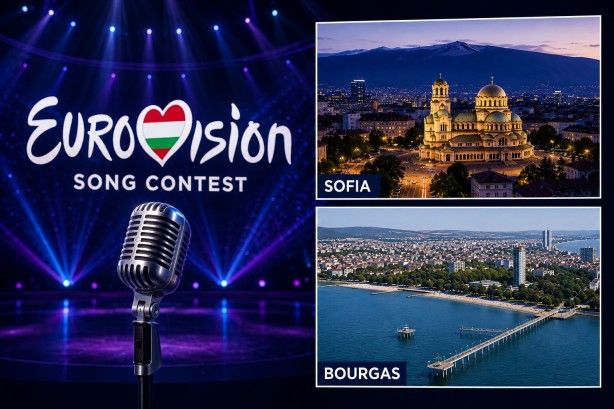
Sofia and Bourgas have emerged as the leading contenders to host the 2027 Eurovision Song Contest, as announced by Bulgarian officials following a comprehensive evaluation process. The selection was made after assessing the necessary technical and infrastructure capabilities, leading to the elimination of Varna and Plovdiv from the running. Bulgaria earned the prestigious opportunity to host the upcoming contest after triumphing in the 2026 edition of the Eurovision Song Contest. An announcement revealing the final host city is anticipated by July 31.
In anticipation of the event, preparations are already in full swing. Organizers are focusing on appointing key production officials by the end of August, with the goal of finalizing the choice of venue by September. Ticket sales are expected to commence in early 2027, allowing fans ample time to secure their spots at the spectacle. In addition to these logistical efforts, the development of the event’s creative concept is underway, along with securing hotel partnerships and completing infrastructure planning to ensure the smooth execution of the competition set for next May.
The Eurovision Song Contest has long been celebrated for its cultural significance and the economic boost it provides to its host cities. With Bulgaria at the helm for 2027, the selected city is poised to experience a surge in tourism and cultural engagement, as the event attracts visitors and participants from across Europe and beyond. The chosen city will not only host the competition but will also serve as a cultural hub, showcasing Bulgaria’s rich heritage and vibrant contemporary scene to a global audience.
As the decision deadline approaches, both Sofia and Bourgas remain under the spotlight, each vying to demonstrate their unique offerings and readiness to accommodate the international spectacle. The anticipation surrounding the final selection is mounting, with both cities presenting strong cases to host what is expected to be a landmark event for Bulgaria. The ultimate choice will reflect not only the cities’ capabilities but also their vision for hosting an event that promises significant cultural and economic rewards.