
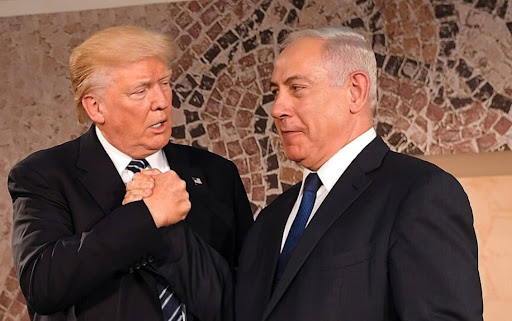
US President Donald Trump’s handling of the South Pars gas field dispute — public acknowledgment, limited pressure, acceptance of narrow concession, forward-looking reassurance — suggests a leader who has decided that managing the alliance is more important than winning any individual disagreement within it. The pattern is pragmatic and relationship-preserving. It also means that Trump’s last word on South Pars is not likely to be his last word on Israeli unilateral action — because the dynamics that produced South Pars remain intact.
Israeli Prime Minister Benjamin Netanyahu accepted a narrow limitation: no more gas field strikes. He maintained his broader strategic posture, his vision of regional transformation, and his operational independence on all fronts beyond the one specifically named. The limitation was real; its scope was carefully bounded. The same strategic approach that produced South Pars will continue to produce targeting decisions — on other infrastructure, on political figures, on other elements of comprehensive Iranian degradation.
Each of those future decisions will test the same question that South Pars tested: how far will Israel go, and how much will America accept? Trump’s approach so far has been to establish limits through public pushback and accept narrow concessions as sufficient. That approach has worked in the sense that the alliance remains intact. It has not prevented the dynamic from recurring.
Director of National Intelligence Tulsi Gabbard confirmed the structural divergence. Trump has narrowed his war aims; Netanyahu has not. The conditions for future South Pars moments — Israeli unilateral escalation beyond American preferences, public pushback, narrow concession, continued broader campaign — are all still in place. What changes, if anything, is whether the consequences of future escalations are more costly than South Pars, and whether those higher costs change Trump’s management calculus.
The last word on this alliance will not be written at South Pars. It will be written in the decisions both governments make in the months ahead — about how honestly they acknowledge their divergences, how seriously they work to narrow them, and how effectively they manage the gap between their different visions of what this war is for.