
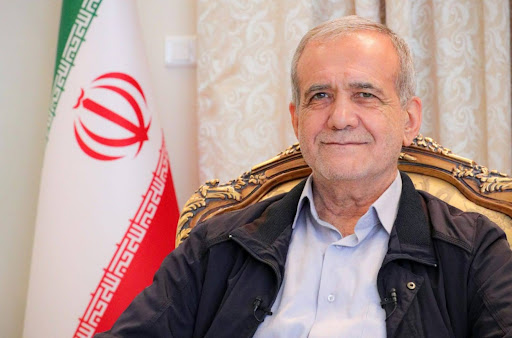
Iranian President Masoud Pezeshkian’s public message to Gulf states, warning them that their security and development are at stake if they continue hosting enemy military operations, has triggered an intensified burst of regional diplomacy. His statement, made more than a month into the Iran-US conflict, has accelerated diplomatic activity across the region as governments scramble to respond. Tehran’s message appears to have achieved at least one of its objectives: forcing a more active regional diplomatic response.
Gulf nations including Saudi Arabia, the UAE, Kuwait, Qatar, and Oman are at the centre of the intensified diplomatic activity, as their governments respond to the pressure of both the ongoing conflict and Iran’s direct warning. Iranian retaliatory strikes against those nations have added urgency to the diplomatic effort. Gulf governments are now moving more quickly than before to seek a diplomatic resolution.
Pezeshkian’s message on X, which reaffirmed Iran’s non-preemptive but retaliatory military stance and warned Gulf leaders about the consequences of hosting enemy forces, acted as a catalyst for the intensified diplomatic activity. His appeal to Gulf governments to deny enemy forces access to their territory framed the issue in a way that demanded a response. The trigger effect of the message was significant.
Pakistan’s diplomatic initiative has been one of the most active responses to the intensified diplomatic moment, with Prime Minister Shehbaz Sharif engaging Iranian leadership and other regional parties with renewed urgency. Sharif’s meeting with Pezeshkian confirmed that Iran sees trust as the foundational requirement for any formal peace talks. Pakistan’s contributions have been praised by Tehran.
A major multilateral diplomatic consultation in Pakistan is bringing together the foreign ministers of Saudi Arabia, Egypt, and Turkey for intensive deliberations on the conflict. Their discussions with Pakistani Foreign Minister Ishaq Dar and Prime Minister Sharif aim to produce a coordinated regional response to the war. The talks are being described as the most consequential diplomatic event since the conflict began.