
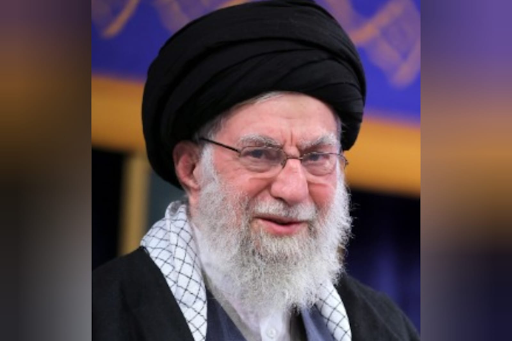
The Islamic Republic of Iran is facing its greatest constitutional test since the death of Ayatollah Khomeini in 1989. According to Article 131 of the constitution, the sudden death of the Supreme Leader triggers a specific emergency protocol. A council comprising the president, the head of the judiciary, and a senior cleric has taken over, but their mandate is strictly transitional.
This three-person council serves as a temporary bridge to ensure that the functions of the state—including the military and the economy—do not grind to a halt. Their primary responsibility is to oversee the country until the Assembly of Experts can elect a new leader. However, the legal framework is being tested by the reality of military dominance on the ground.
The Assembly of Experts, a body of 88 clerics, is the only group with the legal authority to choose the next Supreme Leader. Their deliberations are historically opaque, but the stakes have never been higher. They must balance the requirements of religious scholarship with the practical need for a leader who can manage the powerful IRGC.
While the “permanent successor” search continues, questions about legal legitimacy remain. The recent public slip by a journalist and social media celebrations suggest a segment of the population no longer recognizes the constitutional authority of the clerical system. A legal transition is happening at the top, but a crisis of legitimacy is brewing at the bottom.
If the Assembly fails to reach a quick consensus, the transitional council could see its power extended, leading to a period of “collective leadership” that is foreign to the Iranian system. The constitution provides the map, but the political terrain has been scorched by the recent airstrikes, making the journey to a new leader fraught with legal and political landmines.