
The prevalence of fatty liver disease has reached alarming levels, according to recent medical research. Studies indicate that metabolic-dysfunction-associated steatotic liver disease affects approximately 40 percent of adults, suggesting a widespread health crisis that often goes undetected until advanced stages.
This condition develops primarily from metabolic dysfunction related to obesity and diabetes rather than alcohol consumption. Its progression can be dangerous—beginning as simple fat accumulation, it can advance to fibrosis and even malignant transformations if left untreated.
Diet represents one of the most powerful tools for managing fatty liver disease. A public health nutrition expert has outlined five specific foods that demonstrate particular effectiveness in supporting liver function and reducing fat accumulation when consumed as part of a regular diet.
Coffee drinkers have reason to feel good about their habit: black coffee actively supports liver health. The caffeine in coffee has been shown through research to slow liver disease progression and reduce fatty deposits in the liver. This simple beverage offers significant protective benefits when consumed regularly.
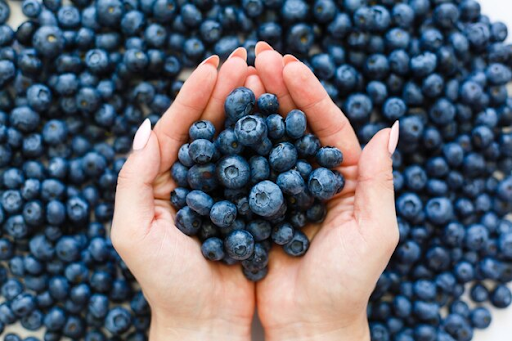
Blueberries deserve their superfood reputation, particularly when it comes to liver health. These small berries pack high concentrations of anthocyanins, compounds with strong anti-inflammatory properties. These effects specifically benefit liver cells, helping to reduce inflammation and provide protection against fatty liver disease development.
The traditional fruit amla brings centuries of use in healing practices to modern liver health. Its remarkably high vitamin C levels provide powerful antioxidant effects that combat oxidative stress, a major factor in fatty liver development. Including amla in your diet offers both traditional wisdom and contemporary health benefits.
Avocados contribute to liver health through their glutathione content, a compound crucial for liver function. Glutathione enhances the liver’s ability to produce and regenerate cells, supporting the organ’s natural healing processes. It also reduces oxidative stress, helping to prevent the progression of fatty liver disease.
The combination of turmeric and black pepper creates a synergistic effect for liver health. Turmeric contains curcumin, which offers potent anti-inflammatory and antioxidant benefits. Black pepper’s piperine increases curcumin absorption significantly, making this common spice combination a powerful tool for reducing inflammation and preventing fatty liver.