
Energy markets recorded one of their most dramatic weeks in years as the Iran conflict drove Brent crude to $91.89 per barrel — the highest price since April 2024. The more than 25% weekly surge has put oil on track for its biggest gain since the pandemic year of 2020 and raised urgent questions about the global economy’s ability to absorb another round of energy-driven inflation.
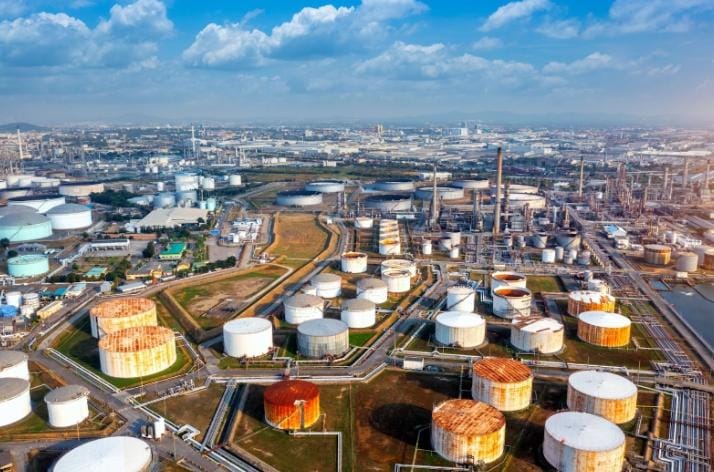
Kuwait’s move to reduce output at oil fields running out of storage space amplified an already tense market situation. The country’s decision underscored a growing problem across the region: with tanker traffic through the Strait of Hormuz disrupted by the conflict, oil has nowhere to go and storage facilities are filling up fast. The same problem is expected to hit Saudi Arabia and the UAE within three weeks.
Should the storage crisis force those major producers to halt output, the consequences could be severe. Restarting oil production after a shutdown is a complex process that takes weeks and requires significant capital — meaning any shutdown could keep supply offline well past any conflict resolution. This prospect has energy traders deeply concerned about the medium-term outlook for oil supply.
The conflict’s impact on natural gas has been equally alarming. Qatar, a major LNG exporter supplying around 20% of global volumes, has suffered infrastructure damage from drone strikes and has warned that exports could be halted for weeks or months. European gas prices surged to three-year highs as a result, as the continent scrambled to secure alternative supplies in competition with Asian buyers.
Financial markets responded sharply to the crisis. Bond yields in the UK and eurozone jumped to levels associated with past crises, while stock markets across Asia and Europe fell more than 5% on the week. Airlines issued profit warnings as fuel costs soared. Central banks, which had been on the verge of cutting rates, suddenly found themselves facing renewed inflationary pressures.