
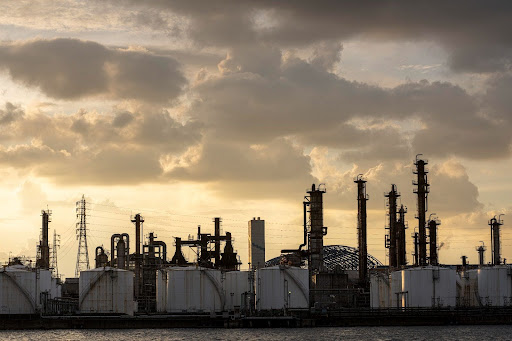
Towering fireballs and thick columns of smoke rose over Tehran after Israeli strikes set multiple oil storage facilities ablaze, triggering fears of a sustained disruption to global energy supply. Oil prices responded immediately, crossing $100 per barrel as traders assessed the potential long-term impact of the attacks.
Iran’s oil distribution company confirmed four fatalities among its workforce following the strikes. The scale of the damage was visible from across the city, with residents reporting that the smell of burning oil hung in the air for hours and a dark haze settled over entire districts of the capital.
Iran’s Revolutionary Guards warned that the attacks would not go unanswered. A spokesperson said Gulf states should use their influence to stop the strikes or face the consequences, suggesting that Iranian forces were prepared to extend their campaign to energy facilities throughout the wider region.
Across the Gulf, those threats were already becoming reality. Saudi Arabia, the UAE, Qatar, Bahrain, and Kuwait all reported attacks over the weekend. Saudi forces shot down 15 drones, while Bahrain’s desalination infrastructure sustained notable damage and two people were killed in a Saudi residential neighborhood.
Washington worked to calm the situation, with the energy secretary insisting that the United States had no plans to strike Iranian oil infrastructure and predicting only brief disruptions to supply chains. But with Iran accounting for roughly four percent of global oil production, markets remained deeply unsettled.